

Self Project
A clear, concise overview highlighting the essence of your work
How to Get Cottons by Filtering the Waste Part of Cigarrete (Research Poster)
Introduction
Cigarette butts are one of the most common types of litter found in streets, rivers, parks, and beaches. Most people think cigarette filters are made of paper, but in reality, they are made of cellulose acetate, a plastic-like material that can take years to decompose. These filters contain toxic chemicals such as nicotine, tar, and heavy metals, which can seriously harm soil, water, animals, and human health.
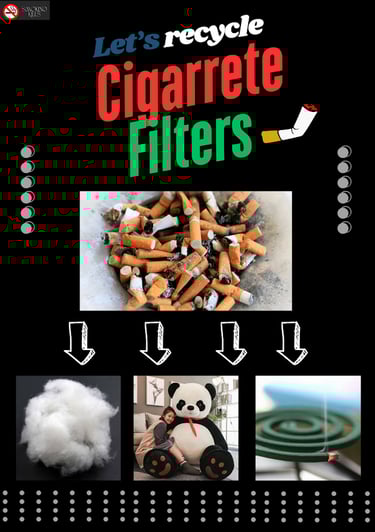
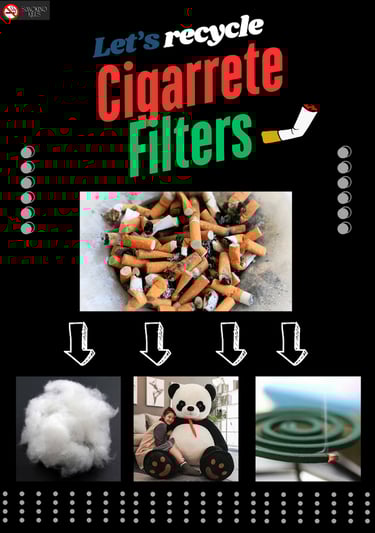
This project focuses on recycling cigarette filters and transforming them into useful products such as cotton-like fiber materials and mosquito coils, reducing pollution while creating sustainable solutions.
Working Process (Step-by-Step)
Collection of Cigarette Filters
Cigarette filters are collected from public areas such as:
i. Roadsides
ii. Tea stalls
iii. Bus stops
iv. Parks and markets
Collection can be done through community drives or by installing cigarette disposal boxes.
Sorting and Pre-Cleaning
After collection, filters are sorted to remove:
i. Paper covers
ii. Tobacco remains
iii. Dust and plastic waste
This ensures cleaner raw material for recycling.
Chemical Cleaning & Detoxification
This is the most important step because cigarette filters contain harmful chemicals.
Filters are cleaned using controlled washing methods such as:
i. Hot water treatment
ii. Soap or mild chemical solution
iii. Natural detox methods (activated charcoal filtration, lime-based cleaning, etc.)
After cleaning, filters are dried properly.
Fiber Extraction (Cotton-Like Output)
Once cleaned, the filter material is shredded and processed to create a cotton-like fiber that can be used for:
i. Cushion stuffing
ii. Pillow filling
iii. Soft fiber-based products
Product Manufacturing (Mosquito Coils & Others)
The recycled filter powder/fiber can be mixed with natural materials such as:
i. Coconut shell powder
ii. Sawdust
iii. Starch-based binder
Then it is molded into mosquito coils, dried, and tested for burning efficiency.
Future Probability & Opportunities
This project has strong potential to become a sustainable business and environmental solution.
Future Possibilities:
Establishing cigarette waste recycling plants
Partnering with city corporations for waste collection
Creating eco-friendly home products
Developing recycled filter-based insulation materials
Creating awareness campaigns to encourage responsible smoking disposal
If properly developed, this project could create a new recycling industry in Bangladesh while also reducing environmental pollution.
Challenges in Practical Implementation (Bangladesh Perspective)
Lack of Proper Collection System: In Bangladesh, cigarette butts are usually thrown anywhere. There is no organized waste separation system, which makes collection difficult.
Public Awareness Problem: Most people do not know that cigarette filters contain plastic and toxic chemicals. Without awareness, people won’t cooperate in proper disposal.
Toxicity and Safety Risks: Handling cigarette waste is risky because it contains harmful chemicals. Workers need gloves, masks, and proper safety procedures.
Cost of Cleaning and Processing: Detoxifying cigarette filters requires water, chemicals, and filtration systems. This may increase production cost, especially for small startups.
Government Regulations & Approval: If mosquito coils or cotton-based products are made from recycled filters, government safety approval will be required. This can be time-consuming.
Social and Hygiene Concerns: Many customers may hesitate to use products made from cigarette waste, even if it is cleaned. Building trust and ensuring product safety will be a major challenge.
Industrial Setup Difficulty: Bangladesh has limited recycling infrastructure for micro-plastic waste. Setting up a proper recycling plant will require investment and technical support.